


How to Source Energy Efficient BLDC Motors for Automation Equipment
 Sep 09, 2026|
 View:280
You face a common problem: telling real energy savings from marketing claims when picking a high efficiency brushless dc motor. Efficiency is not one single number. It is a link between the high speed brushless dc motor, its controller, and your load. A brushless dc motor may show high efficiency at its best, yet fail at your real working point. That mismatch costs you money on your brushless dc motor investment.
Energy use makes up 40% of total lifetime cost over 15-20 years.
This guide gives you a clear plan for sourcing bldc motors. You will learn to read efficiency data, match specs to your automation job, and check suppliers. Choose an energy efficient brushless dc motor. Pick one with high efficiency across your working range. Pair each brushless dc motor with the right control. Every high torque brushless dc motor purchase needs careful review. Compare bldc motors using real working data. A well-chosen brushless dc motor gives lasting value.
Key Takeaways
Don't just look at peak efficiency. Check how efficient the motor is across the range where you actually use it.
Match the motor's torque, speed, and inertia to your load. A motor that is too big wastes energy.
Choose a supplier with modular designs and field-oriented control for better efficiency.
Test the samples and figure out the total cost of ownership. Energy savings pay back in 18 to 24 months.
Defining Efficiency in BLDC Motors
Peak vs. Operating Efficiency
Datasheets often highlight one impressive number: peak efficiency. That figure shows the high speed brushless dc motor's best possible performance at one specific torque and speed. Your automation equipment rarely runs at that exact point. A conveyor sorting system may handle different loads during a shift. A lift motor faces different needs when speeding up, moving steadily, and slowing down. The brushless dc motor that looks great on paper may waste energy across your real work cycle.
You need efficiency data across the whole operating range, not just at the peak. Ask suppliers for efficiency maps or curves that show performance at many speed and torque points. Compare bldc motors using this wider view. A high torque brushless dc motor with a bit lower peak efficiency but steady efficiency across your working range often gives better real-world savings. This difference matters most for variable-speed automation, where the motor rarely sits at its rated point.
The Role of Control Algorithms
The high efficiency brushless dc motor controller plays a key part in real-world efficiency. Basic six-step commutation reads Hall sensors and powers coils every 60 electrical degrees. This method causes sudden current changes and torque ripple. The result is lower efficiency and rougher motion.
Six-step commutation powers two phases at a time without smooth wave control, causing torque ripple and lower efficiency. In contrast, field-oriented control (FOC) separates torque and flux control, keeping the best current alignment across a wide speed range, which boosts efficiency and response.
Field-oriented control is a big step forward in motor technology. FOC uses two current loops—one for torque and one for flux—to keep the best current alignment at all times. This method gives smoother motion and higher efficiency.
Comparison Criteria | Six-Step Commutation | Field-Oriented Control (FOC) |
|---|---|---|
Efficiency | Lower (80–85%) | High (>92%) |
Torque Ripple | High | Very Low |
Dynamic Response | Slow | Fast |
Control Complexity | Low | High |
For high speed brushless dc motor uses that need exact speed control and energy savings, FOC-equipped controllers are worth the extra complexity. When you check a brushless dc motor system, ask which control method the driver uses. An energy efficient brushless dc motor with the wrong controller will not perform well. The mix of a quality brushless dc motor and an advanced controller gives the high efficiency your automation equipment needs. This pairing cuts heat, extends part life, and lowers your energy costs over the equipment's life.
Matching Motor Specs to Load Demands
Torque, Speed, and Inertia Matching
Before you pick a high torque brushless dc motor, you must know your equipment's true torque-speed profile. Start with three torque parts: starting torque to beat static friction, running torque to handle dynamic friction and gravity, and dynamic acceleration torque to manage inertia during starts and stops. If you ignore inertia, you get sudden torque peaks that stress gears and shorten part life.
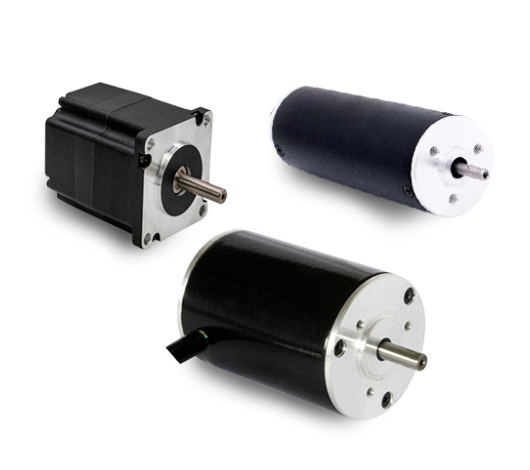
Speed matching needs the same care. Find your output shaft speed from line speed and pulley diameter. Then calculate the gear ratio between your motor's nominal speed and that output. Standard gearmotors rarely match exact ratios, so you may need a custom solution.
Inertia Ratio Formula: R = J_L / J_M, where J_L is load inertia (kg·m²) and J_M is motor inertia (kg·m²). A ratio near 1:1 gives the best dynamic response. Values above 10:1 signal a mismatch that can cause instability.
Oversizing brings hidden costs. An oversized brushless dc motor runs far below its best load point, which directly lowers operating efficiency. This drop means more energy use per unit of mechanical work. Oversizing also adds physical load and weight, which raises energy draw and hurts portability and battery life in mobile brushless dc motor uses.
Plot your calculated load torque values onto the motor's torque-speed curve. The running torque must stay below the continuous torque line to avoid overheating. During acceleration, the high torque brushless dc motor's available torque must stay above the load's demand at every speed point. The gap between them is acceleration torque. If the load requirement goes above motor capability, the motor stalls. Always leave a safety margin for friction changes and voltage sags.
Thermal Management and Duty Cycles
Heat directly attacks efficiency and lifespan in bldc motors. Four loss sources create heat: copper losses from winding resistance, iron losses from magnetic field changes, magnetic losses from partial demagnetization at high temperatures, and frictional losses from bearings. Copper resistance rises about 0.39% per °C, so a jump from 25°C to 125°C increases resistance by nearly 40%. Permanent magnets also lose flux with temperature, and insulation life halves with every 10°C rise above its rating.
Your duty cycle sets cooling needs. For continuous operation in automation, pick a cooling method that matches your power demands.
Cooling Method | Cooling Capacity | Suitability for High-Duty-Cycle Automation |
|---|---|---|
Natural Air | Low | Not suitable for continuous high power |
Forced Air | Medium | Limited; requires fan maintenance |
Cooling Fins | Medium | Limited; passive enhancement only |
Heat Sink | Medium | Moderate; depends on mounting quality |
Liquid Cooling | Excellent | Highly recommended for high-power-density motors |
Oil Cooling | Excellent | Also lubricates and cools rotor |
Liquid cooling can boost continuous motor output by more than 50% compared with air-cooled designs in the same housing size. For high-duty-cycle automation, liquid and oil cooling give the best heat transfer and keep high power going. Match your cooling strategy to your duty cycle, and your high speed brushless dc motor will keep efficiency and avoid early failure.
Sourcing Strategies for BLDC Motors
Evaluating Manufacturers and Custom Options
When you check bldc motor makers, find ones that offer modular options for your automation gear. A modular setup joins the high efficiency brushless dc motor, driver, and gearbox into one system. This cuts wiring work and saves space. With fewer separate parts, you lower build time and material costs.
Look at a maker that offers a brushless dc motor in many setups. You can pick a standalone unit, one with a built-in driver, or a frameless type for tight spaces. They also match the high torque brushless dc motor with gearboxes for high torque at low speed. This range lets you fit the high speed brushless dc motor to your exact job.
Modular bldc motors with built-in drivers can accept speed commands directly, reducing the need for fieldbus setup or motion-profile coding. You save setup time and cut engineering work. Factory tuning allows setting key parameters before delivery. This moves setup off your site and lowers per-unit costs.
These built-in systems give you a small, space-saving design. You get simple hookup with plug-and-play links. Electronic switching and no brush drag cut energy loss. The high efficiency brushless dc motor runs quiet and smooth. Fewer moving parts mean less wear. Built-in protection features boost reliability. You also get strong performance with closed-loop feedback for speed, position, and torque control.
When you judge a maker, look at several points. Power rating and efficiency must fit your real load. The driver should support field-oriented control and links like CAN, RS485, or EtherCAT. The build should use standard frame sizes and gearbox hookup choices. For 24/7 work, check heat control with good insulation and cooling. See if they can adapt the brushless dc motor magnetic design without slowing your project. Make sure they can handle special gearboxes. They must keep steady delivery times.
Leveraging Samples and Technical Support
Before you buy in bulk, ask for test samples. Spec sheets only show part of the picture. Real testing proves the high speed brushless dc motor works as promised.
During sample tests, check these points:
Real torque output and speed steadiness under load
Noise and vibration levels
Heat rise during running
Current draw patterns
Starting behavior
Brushless dc motor driver response speed and accuracy
Gearbox play and encoder precision
This step-by-step plan covers needs, motor choice, sample pickup, testing, changes, prototype sign-off, and full production. Each step builds trust in the final design.
Talk directly with the maker's engineers. Ask about the high torque brushless dc motor efficiency map across your working range. Discuss heat control for your duty cycle. Confirm the brushless dc motor driver uses smart control like field-oriented control. A maker that shares full data and backs your tests is a partner, not just a seller. This path proves real performance before you scale up the high speed brushless dc motor order. Hands-on testing beats comparing spec sheets alone.
Verifying Performance and Total Cost of Ownership
Scrutinizing Datasheets and Certifications
A datasheet can hide as much as it shows. Peak efficiency numbers grab your attention, but they say little about how the motor performs in real use. You need to dig deeper.
Start with the efficiency map. This graph shows the brushless dc motor's efficiency at many speeds and torque levels. Your automation equipment works across a range, not at a single point. A high efficiency brushless dc motor with steady efficiency across your working zone saves real energy. Also look for torque ripple data. High torque ripple causes vibration, noise, and extra heat. These issues reduce the brushless dc motor's real performance over time.
Certifications give you a starting point, not a promise. CE marking shows the high torque brushless dc motor meets European safety rules under the Low Voltage Directive. CE does not prove efficiency. For that, check efficiency class ratings under the Ecodesign Directive. These global standards rate motor performance. A brushless dc motor with such a rating has shown high efficiency under tested conditions.
UL certification covers safety for North American markets. RoHS confirms the brushless dc motor avoids banned substances. ISO 9001 or ISO/TS 16949 show quality manufacturing processes. These certifications matter but do not replace your own checks. You must compare bldc motors using real performance data, not just listed marks.
Ask the supplier for the brushless dc motor's full efficiency curve. Request torque ripple data across your speed range. Your goal is steady high efficiency where the motor truly works.
Calculating Long-Term Energy Savings
The starting price of an energy efficient brushless dc motor may be higher. But total cost of ownership tells the real story. Energy use makes up a large share of lifetime costs. A unit that saves energy every hour pays back that extra cost over time.
Start with the payback calculation. For a typical brushless dc motor in industrial use, the energy savings cover the added cost within a reasonable period. The higher the duty cycle, the faster the payback. A motor running 24/7 saves more than one running on and off.
Factor in maintenance costs. A brushed DC motor needs regular brush replacement, while a high torque brushless dc motor eliminates brush wear, significantly reducing annual maintenance costs. Over several years, these savings add up. This difference comes directly from the brushless design. No brushes means no brush dust, no sparking, and fewer parts to wear out.
Reliability also affects total cost. Under continuous duty, brushed motors have a shorter operating life than BLDC motors. BLDC motors typically offer a significantly higher MTBF, reducing warranty returns and service costs.
Add these numbers together. The higher upfront cost of a high efficiency motor becomes a clear investment with a measurable return. When you calculate total cost of ownership for your application, include all these factors. The cheapest unit at purchase often costs the most over its life. The most efficient one pays you back year after year.
You now have a clear four-step plan for getting bldc motors. First, understand efficiency beyond just peak numbers. Second, match your high efficiency brushless dc motor to the real load profile. Third, choose a partner with customization and support. Fourth, test performance and analyze total cost.
Keep in mind, your goal is not the cheapest brushless dc motor. You want the lowest total cost of ownership. A high-efficiency brushless dc motor costs more upfront but saves energy daily. Each brushless dc motor choice affects your operating budget.
Use this plan for your next project. First, define your load profile. Then ask suppliers for efficiency data. Test samples before you commit. Your brushless dc motor will give real savings. Your automation equipment will run reliably for years. Start today by asking for efficiency maps from bldc motor manufacturers.
FAQ
What does peak efficiency actually mean?
Peak efficiency shows the brushless dc motor's best performance at one specific torque-speed point. Focus on efficiency across your working range instead. The brushless dc motor wastes less energy that way.
How does field-oriented control improve performance?
FOC keeps the brushless dc motor's current aligned with the rotor position. This eliminates torque ripple and boosts efficiency. The brushless dc motor runs smoother and uses less energy than six-step commutation.
Why does inertia matching matter for efficiency?
A high inertia ratio forces the brushless dc motor to work harder during acceleration. Match load inertia to motor inertia. Your brushless dc motor runs cooler and lasts longer.
What is the typical payback period for a high-efficiency motor?
A high speed brushless dc motor with high operating efficiency costs more upfront. Energy savings recover the extra cost within a reasonable period. After payback, the brushless dc motor saves money every hour.
What certifications should you look for in a brushless dc motor?
CE and UL show basic safety compliance. For efficiency, check the applicable efficiency class ratings. These standards verify the brushless dc motor meets tested performance levels. Ask the supplier for documents.


Recommended Products

Frameless Brushless DC Motor 90BL

Brushless dc motor for sale 60BLJ24016

2000W 3000W Brushless DC Motor Series 180BLH

High Power Brushless DC Motor Series 130BLM

72V Brushless DC Motor Series 180BLL

48V 1 KW Brushless DC Motor High Speed Series 180BLM

48V Brushless DC Motor Series 130BLL

2000W Brushless DC Motor Series 130BLH

Brushless DC Motor Series 110BLH

Brushless DC Motor Series 110BLM


Recent News
1.How 24V Brushless DC Motors Improve Efficiency and Reliability in Modern Applications
2026-06-302.12V 24V Small brushless dc motors – High Efficiency & Torque China
2026-07-023.Top Picks for High Speed Small Brushless DC Motors in Robotics
2026-07-064.High Torque Brushless DC Motor Supplier Launches Custom OEM Solutions
2026-07-205.Sunrisemotor Unveils 36% Higher Torque Brushless DC Motor Series
2026-07-276.Why Global Buyers Choose Chinese Brushless DC Motor Manufacturers in 2026
2026-08-037.CE Certified Brushless DC Motors Now Available for Medical Applications
2026-08-268.Top 5 Brushless DC Motor Manufacturers in China 2026
2025-12-199.How to Select the Best High Torque Brushless DC Motor for Your Project
2026-05-1210.24V Brushless DC Motor | High-Efficiency & Reliable Power
2026-06-16


